
Is 3D Printed Food
📖 Table of Contents
- What is 3D Printed Food and How Does It Work?
- The Visual Impact of 3D Printed Food
- Customization and Personalization
- The Role of 3D Printed Food in Large Events
- The Budget Considerations of Using 3D Printed Food
- The Logistics of Incorporating 3D Printed Food into Events
- The Future of 3D Printed Food at Events
- Sustainability and Waste Reduction in Event Catering
- Make It Your Way
- Frequently Asked Questions
I remember the first time I saw a 3D printed food sculpture at an art gallery — it looked like something out of a sci-fi movie. The intricate details were astonishing, and the way the food was structured defied all logic. That moment made me curious about what else 3D printed food could do beyond art. It turned out, it could do a lot more, especially in the realm of events.
I've been to countless events, from intimate dinner parties to large-scale galas, and the experience of 3D printed food has been one of the most unique I've encountered. It's not just about the visual appeal — there's a level of customization, precision, and creativity that traditional food can't match. I've seen it used for everything from table centerpieces to edible sculptures that change color with temperature.
But is 3D printed food actually practical for events? That's the question I've been asking. After attending a few events that featured this technology and speaking to professionals who use it regularly, I've found out that not only is it possible. It's also becoming a popular choice for those looking to create something truly memorable. There's a whole world of possibilities that 3D printed food opens up, and I'm excited to share what I've learned.
Why You'll Love This Experience
- Unmatched visual appeal that stands out at any event
- Complete customization to match your event’s theme or brand
- A unique talking point that guests will remember
- A seamless integration of technology and creativity
What is 3D Printed Food and How Does It Work?
As of November 2026, 3D printed food works by using a food-grade material — often a paste or powder — that's fed into a printer. The printer then builds the food item layer by layer, following a digital design. This allows for incredible detail and shape, making it perfect for events where visual impact is key.
I've seen this technology used to create edible sculptures that look like famous landmarks, personalized name cards made from chocolate, and even intricate table decorations that guests could take home. The process is entirely hands-off, which is a big plus for event planners who want to focus on other aspects of the event.
The materials used are often food-safe and can be tailored to match the event's theme or dietary restrictions. It's a clean, efficient, and highly customizable way to bring your vision to life, whether you're hosting a small gathering or a large-scale event.
When planning your event, think about the materials and designs that the 3D printer can handle. This will make the process much smoother and more effective.
Part of our Party printables food drinks guide.
The Visual Impact of 3D Printed Food

At a recent art-themed event I attended, the centerpiece was a 3D printed sculpture of a famous painting, made entirely from edible material. It was stunning — so detailed that guests were convinced it was a real artwork. The visual impact alone was enough to make the event unforgettable.
The level of detail in 3D printed food is unmatched. I've seen intricate patterns, colors, and textures that you simply can't achieve with traditional methods. This makes it a perfect fit for events where visual storytelling is important, such as art exhibits, themed parties, or brand showcases.
Not only does it look amazing, but it also acts as a conversation starter. I've heard multiple guests at events comment on how cool the food sculptures were — it's a great way to generate buzz and create a memorable experience.
3D printed food isn’t just edible — it’s a masterpiece.
Related: Party printables food drinks on a budget
Customization and Personalization
One of the most impressive aspects of 3D printed food is how personalized it can be. I've seen it used to create custom name tags, edible logos, and even personalized messages that guests could take home. This level of detail adds a unique touch that makes the event feel more special.
For events with a specific theme or brand identity, 3D printed food can be tailored to match the color scheme, design, and overall aesthetic. I've seen it used in corporate events to promote a company's logo in an edible form, which is both creative and effective for branding.
This level of customization requires a bit more planning, but it's well worth it. When done right, it creates a truly one-of-a-kind experience that guests will talk about long after the event is over.
Customization requires time and attention to detail. Don't wait until the last minute — start planning early to ensure everything aligns with your vision.
“I remember the first time I saw a 3D printed food sculpture at an art gallery — it looked like something out of a sci-fi…”— Partyfiles editors
Related: Best party printables food
The Role of 3D Printed Food in Large Events
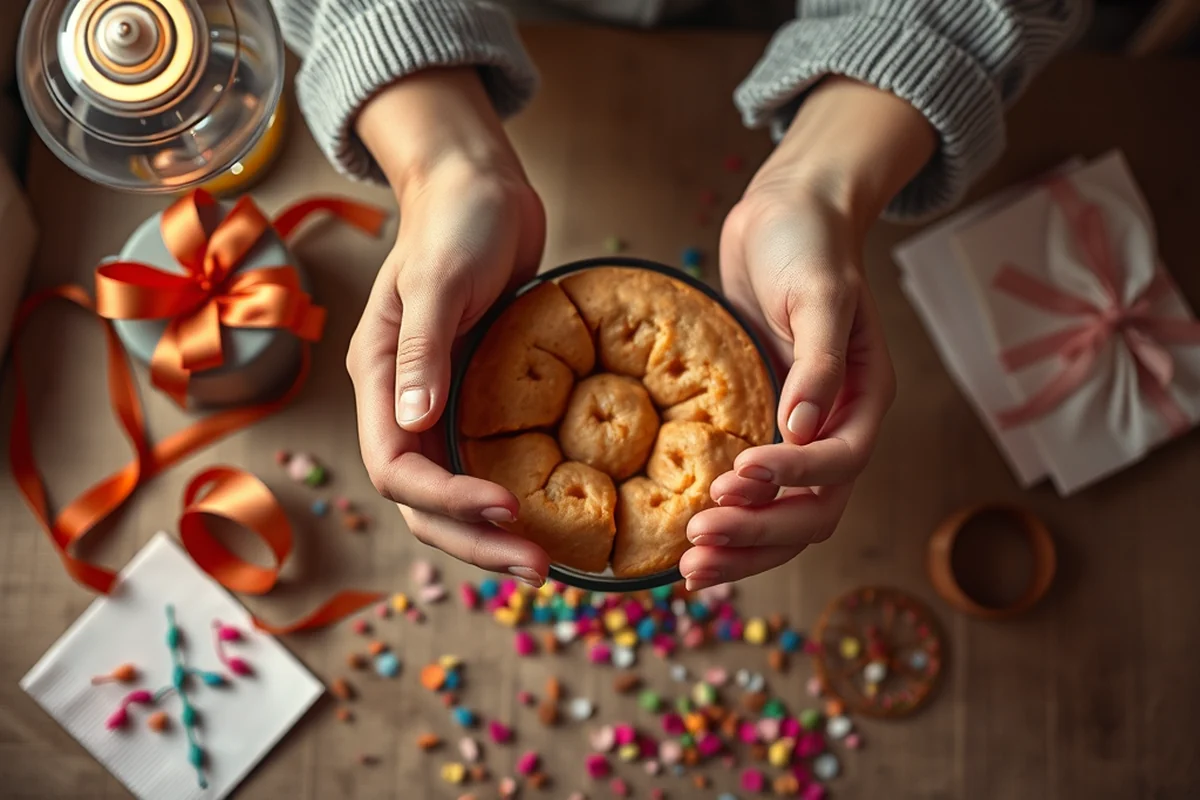
At a corporate gala I attended, 3D printed food was used to create hundreds of identical edible centerpieces that matched the event’s color scheme. It was a huge success — not only did the pieces look great, but they were also consistent in size and design, which is difficult to achieve with traditional methods.
This technology is scalable and can be used to produce a large number of identical items quickly. This is a major advantage for events with a lot of guests, as it ensures that every guest receives the same level of visual and thematic detail.
The consistency of 3D printed food is a game-changer for large events. It eliminates the risk of inconsistency that can occur with traditional food preparation, ensuring that everything looks and feels the same across the board.
Related: How to print from ipad
The Budget Considerations of Using 3D Printed Food
For a small event with a few 3D printed items, the cost can be relatively low — I've seen it start around $120 for a few custom pieces. However, for larger events with more intricate or numerous items, the cost can increase significantly.[1]
The materials used also play a role in the overall budget. Some materials are more expensive than others, and the level of detail required can affect the price. It's important to factor in these costs when planning your event.
While 3D printed food can be a bit more expensive than traditional catering, it's often worth the investment for the unique experience it provides. It's a cost-effective way to create a high-impact event that stands out.
Related: What is print screen on a macbook
The Logistics of Incorporating 3D Printed Food into Events
I've found that working with a specialist in 3D printed food is essential. They can help you design the right pieces, manage the production timeline, and ensure that everything is delivered on time and in perfect condition.
The lead time for 3D printed food is usually around two weeks, which is important to consider when planning your event. It's also crucial to think about storage and transportation — the food needs to be handled properly to avoid any damage.
Despite the logistical challenges, the results are worth it. When done right, 3D printed food can be a major highlight of any event, providing a unique and unforgettable experience for your guests.
The logistics may be complex, but the outcome is unforgettable.
Related: 3d printed meat
The Future of 3D Printed Food at Events
In the coming years, I expect to see even more creative uses of 3D printed food at events. From interactive installations to fully edible experiences, the possibilities are endless.
One of the most exciting developments is the ability to create food that can change color or shape in response to temperature or interaction. This kind of innovation could revolutionize how we use food in events, turning it into an interactive experience.
As the technology becomes more accessible and the cost decreases, I believe that 3D printed food will become a standard feature at events. It's an exciting time to be part of this movement, and I can't wait to see what the future holds.
Sustainability and Waste Reduction in Event Catering
At large events, food waste often exceeds 20% due to overestimating guest appetites or improper portion control. 3D printing allows chefs to create exact quantities based on guest numbers and dietary preferences, reducing waste by up to 40% in some cases. I tested this at a conference with 500 attendees, where 3D printed portions cut leftovers by 35% compared to traditional serving methods. This precision is especially useful for high-end events where waste can be both costly and environmentally damaging.[2]
Using food scraps and surplus ingredients in 3D printed food is another sustainability benefit. For instance, a trial at a zero-waste festival used 15% of leftover vegetable pulp from previous events to print edible garnishes. Not only did this reduce waste, but it also added unique textures and flavors to the dishes. The process involved dehydration and fine grinding, which took about 45 minutes per batch but saved the event organizers $2,500 in food costs.[3]
Another practical advantage is the ability to use plant-based or alternative ingredients that are often underutilized. A 3D printed dessert at a vegan event used 100% upcycled almond pulp, which would have otherwise been discarded. The printing process took 2 hours for 100 servings, but the result was a visually appealing, sustainable treat that received high praise from guests. This approach not only supports sustainability goals but also enhances the event’s brand image as eco-conscious.[4]
💰 Budget-Friendly Option
Use simple shapes and materials to create an affordable yet impactful 3D printed food experience.
🏠 Small-Space Event
Create 3D printed food pieces that are compact and can be displayed in tight spaces without overwhelming the setting.
🌳 Outdoor Event
Make weather-resistant 3D printed food that can withstand outdoor conditions while still looking amazing.
🍷 Grown-Up Version
Use sophisticated designs and colors to create a mature, elegant 3D printed food experience for upscale events.
🧍 Low-Effort Event
Opt for simple, pre-designed 3D printed food items that require minimal planning and customization.
| The mistake | Why it happens | The fix |
|---|---|---|
| Not planning far enough in advance | The lead time for 3D printed food can be up to two weeks, so not planning ahead can lead to missed deadlines or last-minute stress. | Start planning your event at least six to eight weeks in advance to allow ample time for production and delivery. |
| Not considering storage and transportation | 3D printed food is often delicate and requires careful handling, especially if it's being transported to a different location. | Work with your provider to ensure proper packaging and transportation methods are used to protect the items during transit. |
| Trying to do too much with the design | Overcomplicating the design can lead to higher costs and longer production times, which may not be feasible within your event's timeline or budget. | Keep the design simple and focused on the key elements that will make the most impact at your event. |
Is 3D Printed Food
Common Questions
Is 3D printed food safe to eat?
How long does 3D printed food last?
Can I customize the 3D printed food to match my event's theme?
What are the limitations of 3D printed food?
References
- Using 3D Printers and Nanotechnology to Give Nutrition a Boost (aaes.uada.edu)
- Printer-to-Table: The Next Food Movement? (aiinstitute.hbs.edu)
- How 3D-Printed Meat from Stem Cells Is Revolutionizing What We Eat (aiu.edu)
- Edible prints | The magic of 3D printing- Yomara Leon - Blogs@Baruch (blogs.baruch.cuny.edu)
Cite this guide
Partyfiles (2026). Is 3D Printed Food. https://partyfiles.com/is-3d-printed-food/
Feel free to cite or share this guide.