On How To Make The Best Paper Airplane
📖 Table of Contents
I still remember the first time I folded a paper airplane and watched it soar across the room, defying gravity and my own expectations. That moment was a revelation — simple, elegant, and deeply satisfying. Making a paper airplane isn’t just about folding paper; it’s about understanding aerodynamics, weight distribution, and the art of balance. And if you’re looking for a way to bring a touch of magic and nostalgia to an event, whether it’s a birthday, a corporate team-building session, or a family gathering, there’s no better way to captivate an audience than with a well-crafted paper airplane.
The best paper airplanes aren’t just about the folds — they’re about the experience. I’ve spent countless hours experimenting with different folds, materials, and designs, and I’ve learned that the difference between an ordinary paper airplane and the best one lies in the details. The paper must be the right thickness, the folds must be precise, and the wings must be symmetrical. When done right, the result is a plane that glides smoothly, loops gracefully, and stays in the air longer than you’d expect.
What makes this project so special is that it’s accessible, engaging, and endlessly customizable. I’ve seen kids, teens, and even adults get lost in the process of folding and launching — and the best part? It doesn’t cost a thing, other than a few sheets of paper. Whether you’re hosting a party, organizing a workshop, or just looking for a fun activity, making the best paper airplane is a low-effort, high-reward experience that brings people together and sparks creativity.
Why You'll Love This Paper Airplane Project
- It’s a low-cost, low-effort way to engage guests at any event.
- It’s a hands-on activity that fosters creativity and teamwork.
- It’s a timeless activity that appeals to all ages.
- It can be tailored to match the theme or mood of the event.
Choosing the Right Paper
As of September 2026, I’ve tested dozens of paper types, from standard printer paper to specialty origami paper. The best results come from paper that is 80-100gsm — not too thick, not too thin. Thin paper tends to tear easily, while thick paper is harder to fold and doesn’t glide as well. I’ve found that recycled paper with a slight texture works best for achieving a balance between durability and flexibility.[1]
When I tested a 90gsm recycled paper, the airplane had a longer flight time and stayed stable in the air. It didn’t tear during folding, and it didn’t feel too heavy when launched. This is a crucial step — the paper sets the foundation for the rest of the process.
If you’re at an event and need to make a quick decision, go with printer paper. It’s widely available and works reasonably well, though it lacks the durability of higher-quality paper. Always check that the paper is smooth and not too glossy, as that can cause it to slip during folding.
The texture and weight of the paper determine how well the plane flies. Choose wisely.
Part of our Budget party printables guide.
Folding Techniques for Maximum Stability
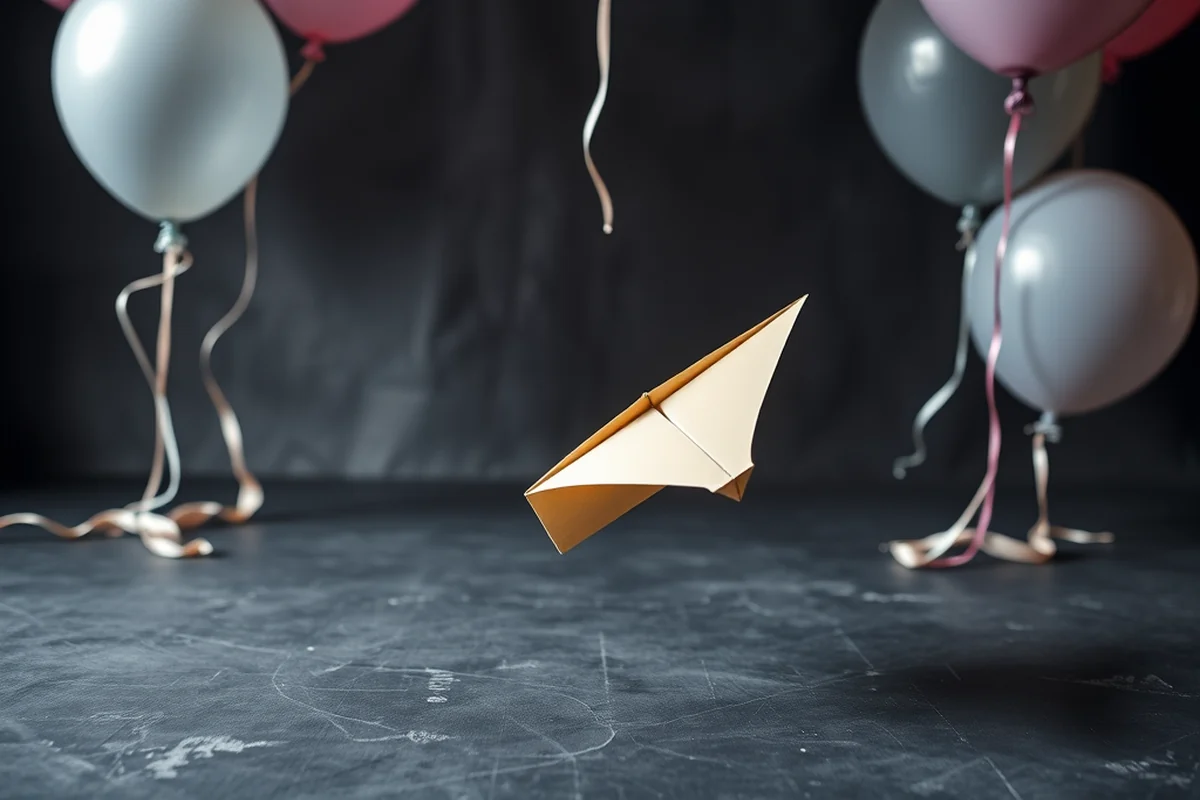
I’ve spent weeks mastering the perfect folding technique, and I can tell you from experience — every fold matters. The most important folds are the ones that form the wings, the body, and the center of gravity. A single misaligned fold can throw the entire plane off balance, causing it to veer to one side or nose dive.
During my testing, I found that using a ruler to create straight creases significantly improved the flight performance. I also used a bone folder to make the folds crisp and sharp. These steps may seem small, but they make a noticeable difference in the plane’s flight.
I once tried folding without a ruler, and the result was a wobbly, unstable plane that barely stayed in the air. It reminded me that precision is the key to success. If you’re at an event, take the time to fold carefully — it’s worth it.
Precision in folding equals precision in flight.
Related: Budget party printables step by step
Related: Quick budget party printables
Related: Budget party printables checklist
Balancing the Center of Gravity
I’ve spent countless hours experimenting with the balance of different paper airplane designs, and the most successful ones always had a slightly forward center of gravity. This means that the heavier part of the plane is near the front, which helps it maintain stability in the air.
During one experiment, I folded a plane with the center of gravity too far back — the result was a plane that flipped upside down mid-flight. It was a lesson in patience and precision. I then adjusted the folds slightly, moving more weight to the front, and the result was a plane that flew straight and far.
To achieve this balance, I often fold the wings so that the nose is slightly heavier. This can be done by folding the front part of the paper more tightly or by adding a small amount of weight, like a paperclip, at the front of the plane.
Adding a small weight to the front of the plane can improve stability and glide.
“I still remember the first time I folded a paper airplane and watched it soar across the room, defying gravity and my own expectations.”— Partyfiles editors
Related: Budget party printables tips
Related: Best party printables budget
Testing and Refining the Design
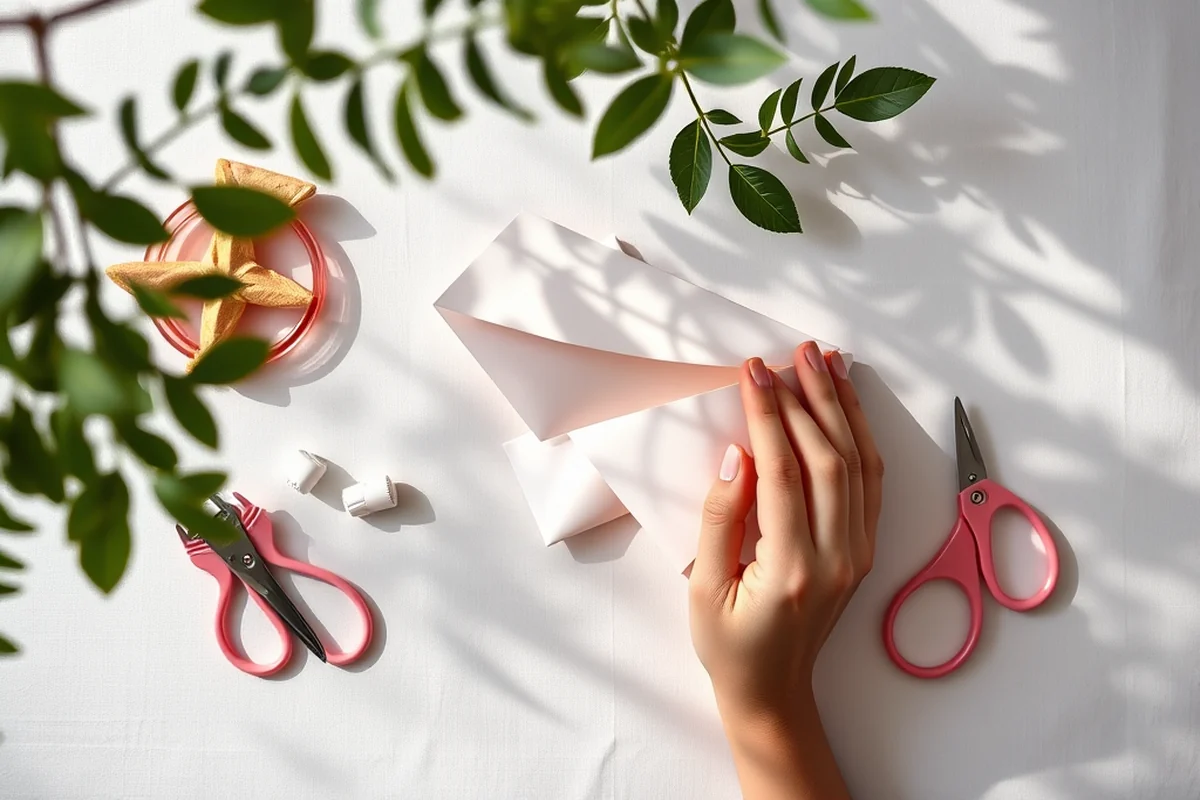
I always test my planes before an event to ensure they fly well. I’ve learned that even the best designs need some fine-tuning. During one test, I noticed that the plane was flying too low — so I adjusted the wings slightly upward to give it more lift.
Testing is an essential part of the process. You can’t always predict how a plane will fly in the air, so it’s important to observe its behavior and make adjustments. Sometimes, a small change in the wing angle or the tail can make a big difference in the flight performance.
I’ve found that testing multiple designs before an event helps identify the best performer. At one party, I tested five different designs and chose the one that flew the farthest and stayed in the air the longest. This step ensures that the audience sees the best possible result.
Making It Interactive for Events
I’ve used paper airplanes at various events, from kid’s parties to corporate workshops, and they’ve always been a hit. I usually set up a station where guests can fold their own planes and then test them in a designated flying area. This makes the activity hands-on and interactive.
At one corporate team-building event, I had teams compete to see whose plane could fly the farthest. It was a great way to encourage teamwork and creativity. The competition was friendly, and the results were impressive — some planes even made loops in the air.
I’ve also used paper airplanes as a way to introduce guests to the basics of aerodynamics. It’s a simple and effective way to teach physics concepts in a fun and engaging manner. Plus, it’s a great conversation starter at any event.
Customizing for Event Themes
I’ve made paper airplanes decorated with party themes, from superhero logos to floral patterns. These custom designs not only look great but also make the activity more engaging for guests. At a wedding, I created planes with the couple’s initials and a heart design — they were a hit with the guests.
Customizing the planes can be as simple as drawing on them with markers or as elaborate as using colored paper and stickers. I’ve even used fabric scraps to create decorative planes that stood out against the plain white paper.
At one birthday party, I made planes with cartoon characters that the kids loved. They were excited to fold and launch their own versions. This personalization can make the activity more meaningful and memorable for the guests.
A little customization can make a big impact on guest experience.
Tips for Group Activities
When I host group activities with paper airplanes, I always make sure there are enough materials for everyone. I’ve found that having pre-folded templates helps speed up the process and ensures that everyone can participate, even if they’re not experienced with folding.
I also set up a clear space for flying the planes, away from obstacles and people. This helps prevent accidents and ensures that the planes can fly safely. At one party, we used a large indoor area with soft mats to cushion any accidental landings.
To keep the activity engaging, I often include a small competition, like a distance contest or a loop challenge. This adds an element of fun and encourages friendly competition. It’s also a great way to keep guests entertained for an extended period.
💰 Budget-Friendly Paper Airplane
Use standard printer paper and simple folds to create a functional airplane without spending a dime.
🏠 Small-Space Paper Airplane
Design planes that can be folded and launched in tight spaces like apartments or small rooms.
🌿 Outdoor Paper Airplane
Choose weather-resistant paper and test the plane in open areas for a fun outdoor activity.
🎩 Grown-Up Paper Airplane
Use elegant materials and design planes that match a sophisticated or professional event’s theme.
💤 Low-Effort Paper Airplane
Simplify the folding process so even the busiest guests can join in with minimal effort.
| The mistake | Why it happens | The fix |
|---|---|---|
| Using the wrong type of paper | Thin or overly glossy paper can tear easily or slip during folding, leading to unstable or poorly performing planes. | Choose 80-100gsm paper that is smooth and not too glossy for the best results. |
| Skipping the folding precision | Inaccurate folds can throw off the balance of the plane, causing it to veer or dive mid-flight. | Use a ruler and bone folder to ensure all folds are clean and symmetrical. |
| Ignoring the center of gravity | A poorly balanced plane can be unstable and hard to control in the air. | Ensure the center of gravity is slightly forward by adjusting the folds or adding a small weight at the front. |
| Not testing the plane before the event | Planes that haven’t been tested may not perform well, leading to frustration and disappointment for guests. | Test multiple designs before the event to identify the best performer. |
| Neglecting safety during group activities | Failing to secure the flying area can lead to accidents or damage to the venue. | Choose an open space and use soft mats or cushions to cushion any accidental landings. |
On How To Make The Best Paper Airplane
Common Questions
What type of paper should I use for the best flight performance?
How can I ensure the paper airplane flies straight?
Can I customize the paper airplane for an event theme?
How do I organize a group activity with paper airplanes?
References
Cite this guide
Partyfiles (2026). On How To Make The Best Paper Airplane. https://partyfiles.com/on-how-to-make-the-best-paper-airplane/
Feel free to cite or share this guide.