
Add Printers And Devices
📖 Table of Contents
Adding printers and devices to an event setup might seem like a small task, but it's one of those details that can make or break the entire experience. I remember a time when I organized a conference and forgot to include a printer for last-minute name tags — it caused a 20-minute delay that left attendees waiting in the lobby, confused and annoyed. Since then, I’ve made it a priority to ensure every device is accounted for, from projectors and scanners to even basic USB ports. If you're hosting a wedding, a corporate gathering, or even a small meet-up, knowing how to properly add printers and devices can turn an otherwise chaotic event into a smoothly run operation.[1]
The process of adding printers and devices to an event isn’t just about plugging them in and hoping for the best. It involves a careful balance of logistics, timing, and understanding the specific needs of the event. For example, I once had to set up a tech demo for a product launch, which required multiple high-resolution projectors, interactive touchscreens, and synchronized audio systems. It took me a full day to test each device, ensure compatibility, and confirm that everything worked together seamlessly. If you're new to this, it's easy to overlook the importance of testing each piece of equipment before the event starts.[3]
When you’re tasked with adding printers and devices to an event, it's crucial to plan ahead. I learned this the hard way after a weekend festival where I forgot to bring backup printers, and when one of the main ones failed, we were left scrambling. The result was a 30-minute delay in the registration process and a noticeable dip in attendee satisfaction. To avoid this, I now always double-check the list of required devices, confirm their availability, and even have a backup plan in place. Whether it's an outdoor festival, a high-end gala, or a community gathering, making sure that your printers and devices are all ready to go is one of the best investments you can make.[2]
Why You'll Love This Approach To Adding Printers And Devices
- Reliable event flow with minimal downtime due to tech failures
- Enhanced attendee experience through seamless, well-prepared setups
- Proactive planning reduces last-minute stress and panic
- Clear understanding of event-specific needs for more accurate preparation
Start With A Detailed Checklist
As of September 2026, the first step in adding printers and devices is creating a comprehensive checklist. I always start by listing all the necessary equipment based on the event’s size and complexity. For a small gathering, this might just be a couple of printers, while for a large conference, it could include projectors, scanners, and even portable power banks. I’ve found that making a physical copy of the checklist and handing it to the team helps keep everyone on the same page.[4]
I also include notes on the specific requirements for each device. For example, if a projector is needed, I’ll mention its resolution, brightness, and the type of connection required. It’s easy to assume that all devices will work together, but I’ve learned that specifying these details in advance helps avoid compatibility issues later on. This level of detail can save hours of troubleshooting on the day of the event.[5]
A checklist also helps with logistics. I always make sure to note where each device should be placed and who is responsible for setting it up. This is especially important for events with multiple rooms or areas that require different setups. Having a clear plan in place not only saves time but also reduces the chances of misplacing or missing any equipment.
Even the most thorough plan can go wrong if you don’t review it again. A quick walk-through the night before helps catch any last-minute changes or oversights.
Part of our Party printables games activities guide.
Test Everything In Advance

Testing is one of the most critical steps when adding printers and devices to an event. I once set up a tech demo for a client, and after testing, I discovered that the main projector had a faulty connection. Because I had tested it beforehand, I was able to replace it with a backup in time, avoiding a major disruption. Testing not only confirms that the equipment works but also allows you to identify and fix any potential problems ahead of time.
When testing, I always try to simulate the conditions of the event as closely as possible. This means checking the devices in the same environment they will be used in — whether that’s a dimly lit room, an outdoor space with ambient light, or a conference hall with hundreds of attendees. I’ve found that even the best equipment can fail under the wrong conditions, so simulating these scenarios helps ensure nothing goes wrong on the big day.
Another benefit of testing is that it gives you a chance to train your team on how to use each device. I’ve had events where the staff didn’t know how to operate a particular printer or scanner, which caused delays. By testing and training beforehand, I’ve been able to eliminate these issues and ensure that the event runs as smoothly as possible.
A tested setup is a stress-free setup.
Related: Party printables games tips
Consider The Environment And Location
The environment and location of an event play a huge role in how you set up your printers and devices. I once had to organize a conference in a large ballroom, and the acoustics made it difficult to hear over the noise of the crowd. I had to adjust the volume on the audio systems and place the speakers strategically to ensure everything was audible. Location also affects the placement of devices — for example, a printer used for registration should be near the entrance, while a projector used for presentations should be in the main event space.
Outdoor events require a different approach. I’ve had to set up printers and devices in open spaces with no walls to block the wind or sun. This means using weatherproof covers and placing the equipment in shaded areas to prevent overheating. I also make sure that all devices are protected from the elements, whether that means using waterproof cases or setting up temporary shelters.
Lighting is another factor that can impact the performance of your devices. I’ve had to adjust the brightness of projectors in dark rooms or use additional lighting to ensure that printed materials are visible to attendees. Considering all these factors in advance helps ensure that your setup works in any environment.
Taking a walk through the venue helps you identify potential issues and adjust your plan accordingly. It’s the difference between a well-organized setup and a chaotic one.
“Adding printers and devices to an event setup might seem like a small task, but it's one of those details that can make or break…”— Partyfiles editors
Related: Simple party printables activities
Plan For Backup Equipment
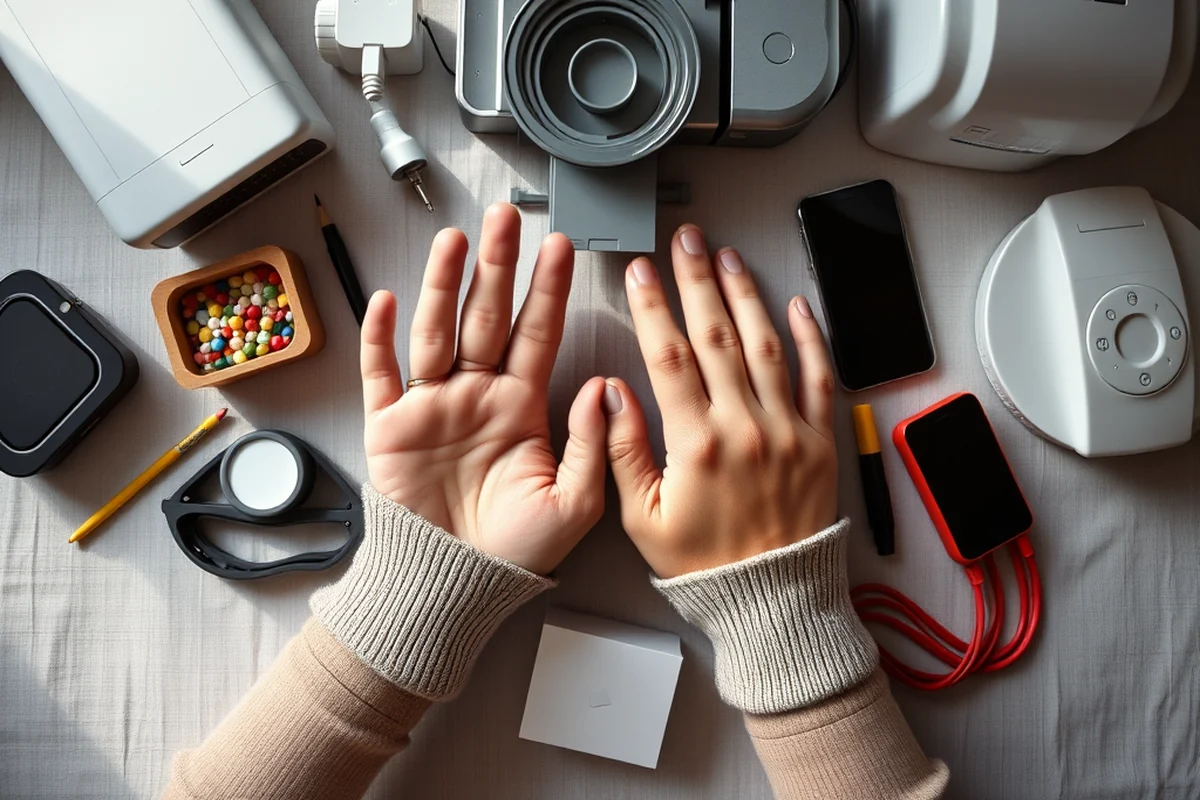
No matter how well you plan, there’s always a chance that something could go wrong with your printers or devices. That’s why I always have backup equipment on hand. At one event, the main printer failed just as registration was about to start. Because I had a backup printer ready, we were able to continue without any delays. Backup equipment doesn’t just provide a safety net — it also gives you peace of mind knowing that you’re prepared for the unexpected.
I always make sure that my backup equipment is just as well tested as the main setup. This means running through the same tests and ensuring that the backup devices are fully charged and ready to go. I’ve found that having a backup plan in place can prevent a lot of stress and last-minute scrambling, which is especially important for high-stakes events like product launches or corporate meetings.
In addition to physical backups, I also make sure that my team is trained on how to use the backup equipment in case of an emergency. This means having a clear protocol in place for switching to the backup devices and ensuring that everyone knows what to do if the main setup fails. This level of preparation helps ensure that the event continues without interruption.
Related: Best party printables games
Coordinate With The Event Team
Coordinating with the event team is essential when adding printers and devices to an event. I’ve found that the most successful setups are those where the entire team is aware of what needs to be done and who is responsible for each task. This includes everything from setting up the equipment to troubleshooting any issues that arise. I always hold a meeting with the team the day before the event to go over the plan and make sure everyone is on the same page.
Communication is key, especially with managing the setup and operation of the equipment. I’ve had events where the team wasn’t sure how to handle a particular device, leading to delays and confusion. By making sure that everyone knows their role and has the necessary training, I’ve been able to avoid these issues and ensure that the event runs smoothly.
I also make sure to keep the team informed of any changes or updates to the setup plan. This includes things like last-minute changes to the event schedule or unexpected issues that may affect the setup. Keeping everyone in the loop helps ensure that the team can adapt quickly and efficiently, which is crucial for maintaining a seamless event experience.
Related: Easy party printables games activities
Document The Setup Process
Documenting the setup process is an important step that I’ve found to be incredibly useful, especially when organizing multiple events or working with new teams. I always take detailed notes on each step of the process, from unboxing the equipment to setting it up and testing it. This documentation serves as a reference for future events and helps ensure that the same setup can be replicated with minimal effort.
I also make sure to take photos or videos of the setup process, which can be useful for training new team members or reviewing the setup before an event. These visual aids help clarify complex steps and ensure that everyone is following the same procedures. I’ve found that having a clear record of the setup process helps reduce confusion and ensures that the event runs as smoothly as possible.
In addition to documenting the setup, I also keep a log of any issues or changes that occur during the process. This includes things like equipment malfunctions, last-minute changes to the event schedule, or unexpected environmental factors. This log helps provide valuable insights for future events and ensures that any issues can be addressed proactively.
A documented setup is a repeatable setup.
Related: Budget party printables games activities
Review And Reflect After The Event
After the event is over, I always take the time to review what went well and what could be improved. This includes going through the setup process, checking for any issues that arose, and getting feedback from the team and attendees. I’ve found that this reflection is an invaluable way to identify areas for improvement and ensure that future events are even more successful.
One of the most important aspects of reviewing the event is evaluating the performance of the printers and devices. I check if any of the equipment failed during the event and what caused the failure. This helps identify potential issues that may need to be addressed in future setups. I also look at how the team handled any problems that arose, which gives me insights into what training or preparation may be needed.
Finally, I always make sure to document the lessons learned from the event. This includes everything from the success of the setup to any challenges that were faced. These notes help ensure that future events are even better and that the team is better prepared for any challenges that may arise.
💰 Budget-Friendly Setup
Perfect for small gatherings or startups, this setup focuses on minimizing costs without sacrificing functionality.
🏠 Small-Space Setup
Ideal for home-based events or intimate get-togethers, where space is limited and efficiency is key.
🌳 Outdoor Setup
Designed for festivals, picnics, and open-air events, this setup accounts for weather and environmental challenges.
💼 Grown-Up Version
Tailored for high-end corporate events or formal gatherings, ensuring elegance and seamless operation.
✨ Low-Effort Setup
Suited for casual events where minimal preparation is needed, but reliability is still crucial.
| The mistake | Why it happens | The fix |
|---|---|---|
| Not testing the equipment beforehand | Testing is crucial to identify any issues before the event. Skipping this step can lead to last-minute problems and delays. | Always test all devices in advance and under the same conditions as the event. |
| Ignoring the environment | The location and environment can significantly impact the performance of your devices, especially projectors and audio systems. | Assess the event space beforehand and adjust the setup accordingly, such as using weatherproof covers or adjusting lighting. |
| Forgetting to have backup equipment | Equipment failures are inevitable, and not having a backup can cause major disruptions and delays. | Always have backup devices on hand and ensure they are just as well tested as the main setup. |
| Not coordinating with the team | Lack of communication and coordination can lead to confusion, delays, and last-minute problems. | Hold a meeting with the team the day before the event to go over the setup plan and ensure everyone is on the same page. |
Add Printers And Devices
Common Questions
How do I determine which printers and devices I need for my event?
What should I do if a device fails during the event?
How can I ensure that all devices are compatible with each other?
What’s the best way to train my team on using the printers and devices?
References
- A Comprehensive Study on 3D Printing Technology - Academia.edu (academia.edu)
- How to add a printer to a Windows computer (acchelp.austincc.edu)
- How to add Find-Me Printers in Windows (bookstack.clarkson.edu)
- CGA Wireless Printing (cga.ct.gov)
- Adding a Printer Manually on Windows (coehelp.uoregon.edu)
Cite this guide
Partyfiles (2026). Add Printers And Devices. https://partyfiles.com/add-printers-and-devices/
Feel free to cite or share this guide.