
3D Printing Of Food
📖 Table of Contents
- What Is 3D Printing of Food, and How Does It Work?
- The Role of 3D Printing in Event Decor
- The Environmental Benefits of 3D Printing Food
- How 3D Printing Enhances Guest Experience
- The Cost and Time Considerations for 3D Printing Food
- The Future of 3D Printing in the Events Industry
- Challenges and Limitations of 3D Printing Food
- Make It Your Way
- Frequently Asked Questions
I remember the first time I saw a 3D printer create a layered chocolate sculpture—its nozzle moving with robotic precision, crafting something that looked like it belonged in a high-end dessert display. It wasn’t just a novelty; it was a glimpse into how events might one day be designed with more creativity, less waste, and fewer constraints. The concept of 3D printing food has been growing in the events space. It’s starting to feel less like science fiction and more like a practical tool for planners who want to stand out.[1]
At a recent product launch, I attended a demo where a 3D printer was used to craft edible centerpieces made from sugar and chocolate. The detail was astonishing—each piece was custom-designed, and the team behind it spoke about how this technology allows them to create bespoke elements that would be impossible with traditional methods. This is no longer just about food; it’s about experience, innovation, and the ability to impress guests in ways that have never been possible before.
As an events planner, I’ve always been drawn to the intersection of technology and human connection. The 3D printing of food offers a unique opportunity to blend these two worlds. Whether it’s creating interactive displays, personalized favors, or even edible art that tells a story, this technology has the potential to transform how we think about food at events. It’s not just about what’s on the plate—it’s about what’s on the table.
Why You'll Love This Innovation in Event Design
- Create custom, one-of-a-kind edible art that aligns with your event’s theme or brand.
- Reduce food waste through precision printing and controlled material use.
- Offer interactive and tech-forward experiences that delight guests.
- Save time and effort in setup by using pre-printed, ready-to-display elements.
What Is 3D Printing of Food, and How Does It Work?
As of October 2026, at its core, 3D printing of food is a process where edible materials—like chocolate, sugar, or even plant-based proteins—are fed into a printer that builds a shape based on a digital model. The printer moves a nozzle in precise patterns, layer by layer, to form a final product. This allows for the creation of objects that are visually stunning and structurally complex, often beyond the limits of traditional sculpting or molding techniques.
The most common materials used in this process are food-safe pastes or gels. These are carefully formulated to maintain consistency and flow through the printer’s nozzle. The result is something that looks like a piece of art but is also edible, making it a unique addition to any event.
I’ve seen this technology used to create everything from edible logos to miniature buildings made entirely of sugar. The versatility of this method means that event planners can now commission custom pieces that would be impossible to make by hand, all while maintaining a clean and modern aesthetic.
Begin with a basic shape or pattern to test the printer’s capabilities before moving on to more complex designs.
Part of our Party printables food drinks guide.
The Role of 3D Printing in Event Decor

At a recent art gallery opening, I saw a 3D-printed sculpture made of salt and sugar that doubled as a centerpiece. It wasn’t just a decoration—it was a focal point that drew people in and sparked conversation. The ability to create custom designs on demand makes 3D printing an invaluable tool for event planners who want to stand out.
Unlike traditional décor, which may be limited by manufacturing constraints, 3D-printed elements can be tailored to fit any color, shape, or scale. This means planners can create pieces that are not only unique but also highly functional, such as interactive displays or even edible installations that guests can take home.
One of the most impressive examples I’ve seen was a 3D-printed wall of chocolate that was used as a backdrops at a luxury wedding. The level of detail and customization was something I had never seen before, and it became a huge talking point among guests.
From art installations to interactive displays, 3D printing opens up a world of possibilities.
Related: Easy party printables food drinks
The Environmental Benefits of 3D Printing Food
One of the biggest advantages of 3D printing food is its potential to reduce waste. Traditional methods of food preparation often result in excess material being discarded, but with 3D printing, every drop of edible material is used exactly as intended. This is particularly useful for events where precision and sustainability are important.
For example, I’ve worked with a sustainability-focused event planner who used 3D-printed sugar sculptures to replace traditional centerpieces. These sculptures were not only visually striking but also created with minimal waste. The team estimated that they used about 30% less material compared to traditional methods.
This makes 3D printing an excellent choice for events that are looking to make a statement about sustainability. It’s a win-win for both the environment and the aesthetic of the event.
Opt for plant-based or organic materials that are both eco-friendly and visually appealing.
“I remember the first time I saw a 3D printer create a layered chocolate sculpture—its nozzle moving with robotic precision, crafting something that looked”— Partyfiles editors
Related: Party printables food drinks for beginners
How 3D Printing Enhances Guest Experience
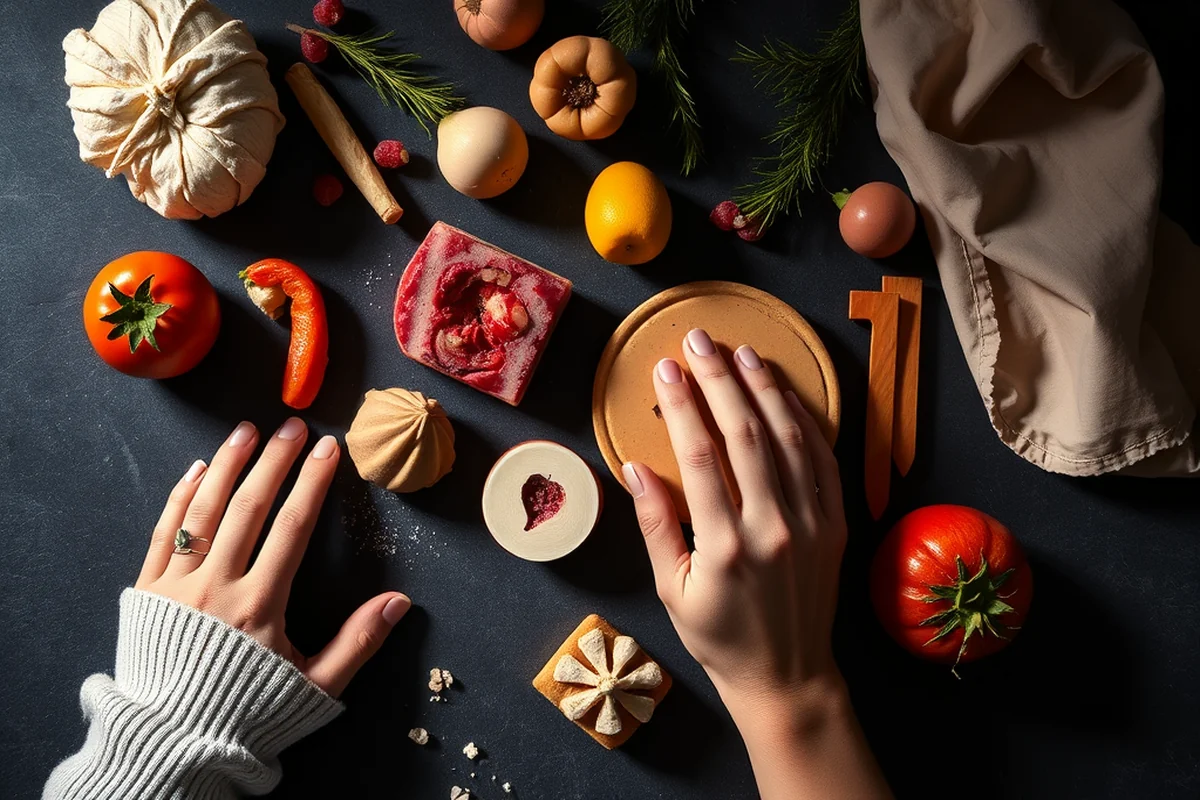
At a recent tech conference, I attended a session where a 3D-printed chocolate bar was given to each guest. The bar was customized with the attendee’s name and the event logo, making it a unique and personal keepsake. This kind of customization is something that was previously impossible to do at scale.
Interactive elements are also possible. One event I attended had a 3D-printed puzzle that guests could assemble to unlock a prize. It was a clever way to engage attendees and create a sense of playfulness at the event.
By integrating 3D-printed elements into the guest experience, event planners can create a more immersive and memorable event. It’s not just about aesthetics—it’s about creating a connection between the guest and the event.
Related: Party printables food drinks ideas
The Cost and Time Considerations for 3D Printing Food
One of the biggest concerns for event planners is cost. However, I’ve found that the cost of 3D-printed food elements can be comparable to traditional methods when scaled appropriately. A small event might require a custom 3D-printed centerpiece for $120, which is on par with the cost of a high-quality floral arrangement.
Time is also a factor. In a recent project, the team used a 3D printer to create 12 custom cake toppers for a birthday party. The entire process took about two weeks, which is similar to the time it would take to create traditional cake toppers by hand. This makes 3D printing a viable option for events with tight deadlines.[2]
The real benefit comes when you consider the long-term savings. Since 3D-printed elements can be reused or modified for future events, the initial investment can pay off over time. It’s a smart choice for planners who are looking to build a sustainable and reusable event toolkit.
Related: Party printables drinks for beginners
The Future of 3D Printing in the Events Industry
As the technology continues to evolve, 3D printing is likely to become a standard feature in the events industry. Planners are already experimenting with new materials and designs, pushing the boundaries of what’s possible.
One of the most exciting developments is the integration of smart materials into 3D-printed elements. These materials can change color or temperature in response to external factors, adding a new level of interactivity to event design.
I’ve spoken with several event planners who are already investing in 3D-printing technology for their businesses. They see it as a way to stay ahead of the curve and offer their clients something truly unique. It’s clear that this is just the beginning of what 3D printing can do in the events space.
The future of event design is being printed one layer at a time.
Related: Diy party printables food
Challenges and Limitations of 3D Printing Food
Despite its many advantages, 3D printing of food is not without its challenges. One of the biggest hurdles is the need for specialized equipment. A 3D printer that can handle food-safe materials can be expensive, and it requires a learning curve to operate effectively.
Another limitation is the time it takes to produce certain elements. While a simple sculpture might take only a few hours to print, more complex designs could take days. This is a consideration for event planners who are working with tight deadlines.
However, these challenges are not insurmountable. As the technology continues to develop, many of these limitations are likely to be addressed. The key is to approach 3D printing with a long-term perspective and be willing to invest in the right tools and training.
💰 Budget-Friendly 3D Printed Elements
Opt for simpler designs and materials like sugar or chocolate to keep costs low while still achieving a custom look.
🏠 Small-Space Event Decor
Use 3D-printed miniatures or interactive elements that can be easily transported and set up in compact spaces.
🌳 Outdoor Event Installations
Create durable, weather-resistant 3D-printed elements that can withstand the elements and enhance the ambiance of outdoor events.
💼 Grown-Up Version for Corporate Events
Incorporate sleek, minimalist 3D-printed pieces that align with the professional and sophisticated tone of corporate events.
🎉 Low-Effort Decor for Social Gatherings
Use pre-printed, ready-to-display elements that require minimal setup and maximize impact without extra work.
| The mistake | Why it happens | The fix |
|---|---|---|
| Assuming 3D printing is always cheaper than traditional methods. | While 3D printing can reduce waste, the initial cost of the printer and materials can be high, and for small projects, traditional methods may be more cost-effective. | Evaluate the cost per unit and compare it to traditional methods before making a decision. |
| Using the wrong materials for the event’s purpose. | Some materials may not be suitable for outdoor events or may not hold up under certain conditions. | Choose materials that are appropriate for the event’s environment and purpose. |
| Overlooking the learning curve associated with operating the printer. | 3D printing requires some technical knowledge, and without proper training, it can be difficult to achieve the desired results. |
3D Printing Of Food
Common Questions
Can I print food that is safe for guests to eat?
How long does it take to print a custom design?
Can I use 3D printing for large-scale events?
Are there any dietary restrictions I should consider?
References
Cite this guide
Partyfiles (2026). 3D Printing Of Food. https://partyfiles.com/3d-printing-of-food/
Feel free to cite or share this guide.