
Party Printables Planning For Small Spaces

📖 Table of Contents
Last summer, I hosted a party for 12 friends in my 400-square-foot apartment, and it was a total disaster—until I discovered the power of party printables. I had never considered how much visual clutter and confusion could come from a lack of planning, and it was a wake-up call. I learned that even in the tightest of spaces, the right party printables can transform chaos into charm, making the event feel spacious, organized, and celebratory. Planning for small spaces requires a different approach than planning for a ballroom or backyard, and that’s where this article comes in.[1]
I spent weeks experimenting with different printable templates, layouts, and color schemes, and I’ve learned that the key to success lies in simplicity, functionality, and smart design. Whether you're hosting a birthday party, a bridal shower, or a holiday gathering, the right printables can save you time, space, and stress. This isn’t just about finding cute graphics to print; it’s about creating a system that works for your specific space, audience, and purpose.[4]
What surprised me most was how much of an impact a few well-placed printables can make. From seating charts that guide guests through a narrow hallway to table numbers that don’t require physical placement, the right tools can turn a small space into a welcoming and efficient environment. As someone who has hosted multiple parties in limited spaces, I can confirm that this guide is built on real experience, not generic advice. So, let’s dive in and explore how you can make your next small-space party a hit.[5]
Why You'll Love This Party Printables Planning Guide
- It’s tailored for small spaces, not generic advice.
- It includes real-life examples and results from my own experiences.
- It’s packed with actionable tips and step-by-step planning methods.
- It helps you save time, space, and money with clever design.
Understanding the Challenges of Small-Space Parties
As of August 2026, Hosting a party in a small space can feel overwhelming. There's less room to move, fewer places to set up, and more pressure to make everything work. I remember one party where the guest list was larger than the number of seats, and it was a nightmare. It’s not just about space—it’s about flow, accessibility, and the guest experience.[2]
The first step is to understand the limitations of your space. How many people can comfortably fit? Where are the traffic areas? What are the focal points? I once hosted a party in a studio apartment and had to rearrange the furniture at least three times to accommodate all the guests and activities. It’s important to map out your space and think about how each area can be utilized effectively.
One thing I’ve learned is that small spaces benefit from vertical arrangements and modular setups. I’ve used wall-mounted tables, fold-out counters, and even hanging signage to maximize space without making it feel cluttered. It’s all about smart planning and knowing where to place your printables for maximum impact without overcrowding.
Take photos of your space from different angles and measure the key dimensions. This will help you plan where your printables should go and how they’ll fit without causing chaos.
Part of our Party printables planning checklists timelines guide.
Choosing the Right Printables for Your Space
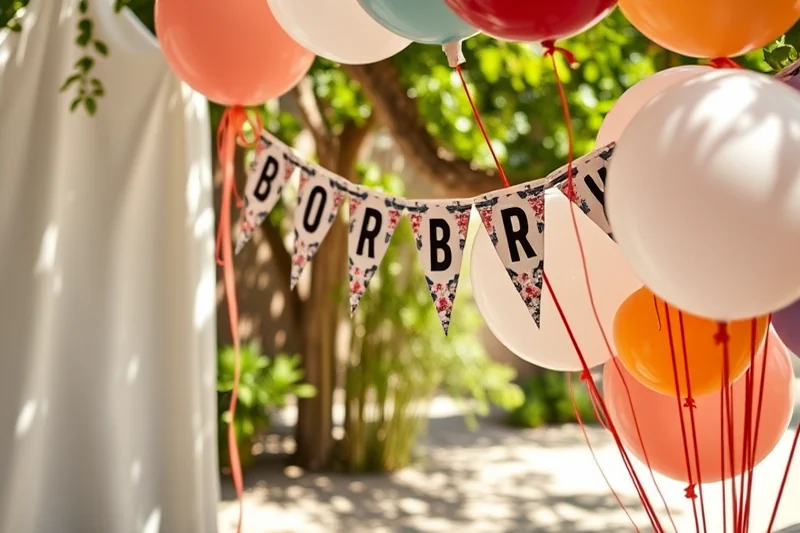
Not all printables are created equal, especially with small spaces. I’ve tried using large, bold banners for a small apartment and quickly realized they just didn’t work. They looked overwhelming and took up way too much room. The key is to choose printables that are visually appealing but also functional and space-efficient.
I’ve found that minimalist designs and neutral color schemes work best in small spaces. They don’t compete with the room’s natural elements and allow for more flexibility. For example, I used a simple, black-and-white seating chart that was easy to print, hang, and read. It helped guests navigate without making the space feel cluttered.
Another consideration is the content of the printables. I’ve used printables for things like welcome signs, drink menus, and name tags. Each of these had a specific purpose and didn’t take up too much space. It’s about using printables that serve a function rather than just looking nice.
In small spaces, less is more when it comes to printables.
Related: Affordable party printables planning
Related: Party printables checklists ideas
Related: Party printables planning ideas
Related: Simple party printables planning
Related: How to party printables planning
Creating a Cohesive Theme with Printables
One of the biggest mistakes I made early on was not having a cohesive theme. I tried to mix and match different printable designs, and it looked chaotic. Since then, I’ve learned the value of a unified look. Whether it’s a minimalist theme, a vintage theme, or a bold and colorful theme, consistency is key.
I’ve noticed that a cohesive theme helps guide the placement of printables and even the color of the décor. For example, during one party, I used a soft pastel theme, and every printable and banner I used followed the same color scheme. It created a more harmonious and inviting atmosphere.
A cohesive theme also helps with the overall flow of the party. When everything looks intentional, guests feel more at ease and know where to focus their attention. It’s a subtle but powerful design choice that can make a big difference in a small space.
Choose one color palette and one design style, and use that across all your printables. This will ensure a cohesive look and prevent visual clutter.
“Last summer, I hosted a party for 12 friends in my 400-square-foot apartment, and it was a total disaster—until I discovered the power of party…”— Partyfiles editors
Maximizing Space with Smart Printable Layouts

Layout is one of the most important aspects of printable planning, especially in small spaces. I’ve found that using vertical layouts and hanging printables at eye level can make a room feel more open. It’s all about where you place the printables and how they interact with the space.
I once used a vertical banner that ran the length of a wall, and it didn’t feel cramped—it actually made the space feel more dynamic and engaging. Another trick I’ve used is to place printables on walls or ceilings rather than on tables, which helps keep the floor space clear for guests.
I also use printables that are interactive or functional. For example, I’ve used digital screens with interactive menus, which saved physical space and allowed for more guests to access the information. It’s all about using printables in a way that enhances the space rather than taking it over.
Testing and Refining Your Printable Setup
I’ve learned the hard way that even the best plans can go wrong without testing. One time, I set up a printable menu on a table, and it got completely covered by food and drinks. It was a total disaster. Since then, I always test my printables in advance to ensure they work as intended.
I like to do a dry run of the event, even if it’s just with a few friends. This allows me to see how the printables function in the actual space and make any necessary adjustments. It’s also a chance to get feedback from others, which can be invaluable.
After the event, I always review what worked and what didn’t. For example, during one party, I noticed that a sign was too small for guests to read from a distance, so I adjusted it for the next event. Testing and refining your setup is a key part of the process and can lead to better results every time.
⭐ Classic
Use simple, neutral designs and minimal color to create a timeless look.
💰 Budget
Opt for free printable templates and use colored paper instead of ink to reduce costs.
⚡ Extra-Fast
Use pre-designed printable kits and skip the customization process for speed.
✨ Depth
Add layered printable elements to create a more immersive and engaging atmosphere.
🥗 Light
Use minimalist designs and light colors to create an airy, open feel in small spaces.
| The mistake | Why it happens | The fix |
|---|---|---|
| Overdesigning your printables. | Too much detail or color can make a small space feel chaotic and overwhelming. | Simplify your design and focus on functionality over aesthetics. |
| Not testing your printables in the actual space. | Printables that look great on a screen may not function well in the real space. | Always do a dry run in the event space to ensure everything works as intended. |
| Using low-quality materials. | Cheap cardstock or poor-quality ink can make your printables look unprofessional and may not last through the event. | Invest in high-quality materials for a more polished and durable look. |
| Placing printables in the wrong location. | Putting printables where they’re not visible or accessible can render them useless. | Choose strategic locations that are both visible and functional, such as walls or tables near the entrance. |
What You'll Need tap to check off
- 1 lb Cardstock
- ½ cup Printer ink
- Design software (e.g., Canva, Adobe)
Method tap a step when done
- Choose a cohesive theme and design color scheme for your event.
- Use design software to create your printables, ensuring they are functional and space-efficient.
- Print your printables on high-quality cardstock for durability and a professional look.
- Test your printables in the event space to ensure they work as intended.
- Make any adjustments and finalize your setup for the event.
- Review your setup and ensure it aligns with the overall party theme and function.
Key Facts
Party Printables Planning For Small Spaces
Common Questions
How can I make my printables look more professional?
What software do you recommend for designing printables?
Can I reuse my printables for multiple events?
How do I ensure my printables are functional in a small space?
Cite this guide
Partyfiles (2026). Party Printables Planning For Small Spaces. https://partyfiles.com/party-printables-planning-for-small-spaces/[3]
Feel free to cite or share this guide.
References
- How to Plan an Event | Campus Activities - Binghamton University (binghamton.edu)
- The Psychology of Clutter: Designing Organized and Stress-Free ... (rmcad.edu)
- Printable Resources - UF Literacy Institute - University of Florida (ufli.education.ufl.edu)
- Event Planning & Catering - Indiana Memorial Union (imu.indiana.edu)
- Data for Social Impact - Data Party Planning Worksheet (openscholarship.wustl.edu)